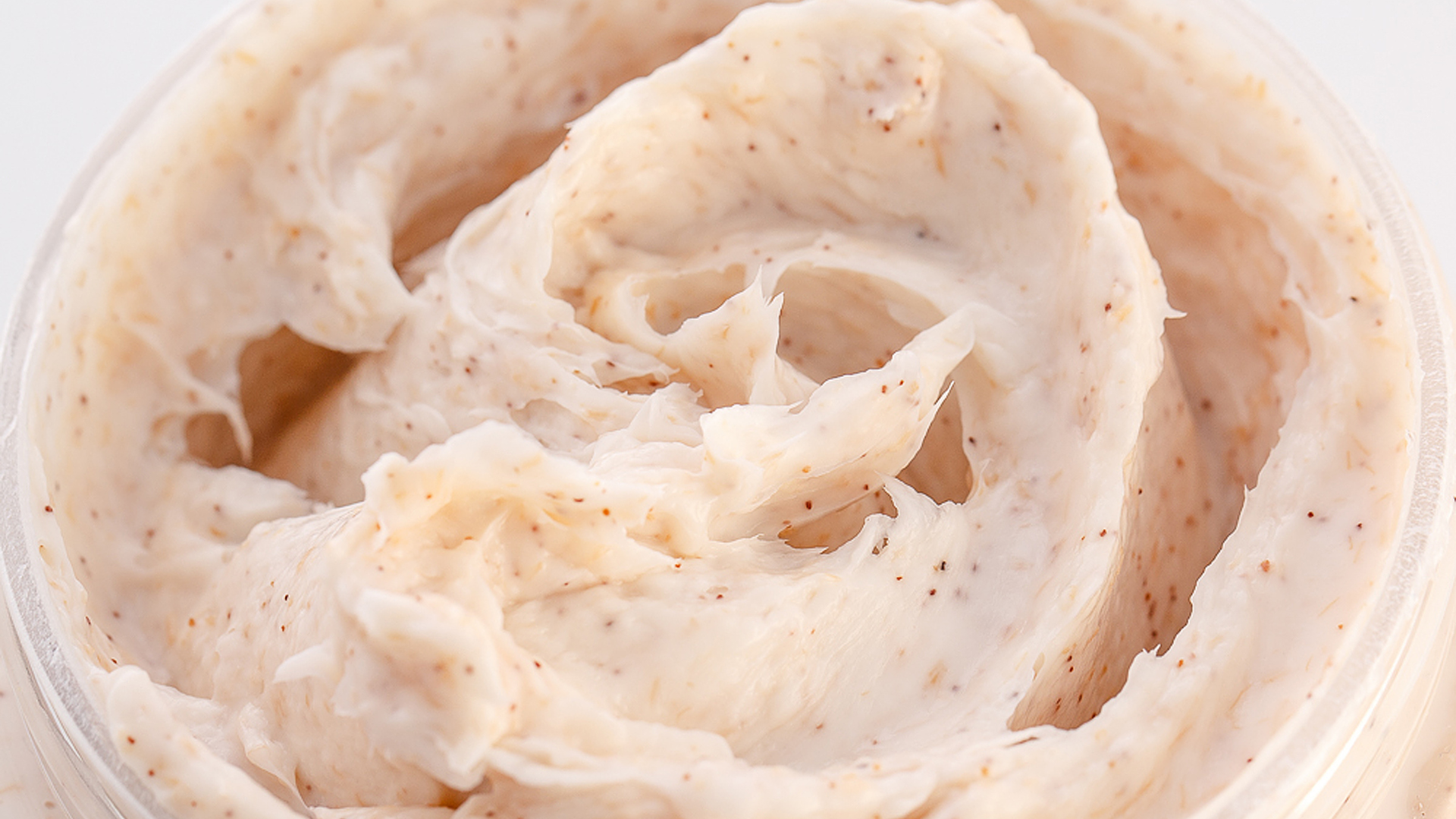
Why You Should Use Body Scrubs
Body scrubs are essential to have on your bathroom shelf. Not only are they beneficial to your skin, but they can make bathing or showering more refreshing. These scrubs are used to remove dead skin cells from your body, and they are especially effective at removing dead skin cells on dry areas, like elbows, knees, hands, and feet. Using a body scrub every time you bathe can help reduce rough patches, moisturize your skin, and leave you with soft, smooth skin.
The skin is the largest organ of our body, yet it frequently goes underserved. Many people only treat dry patches or the occasional pimple but neglect the skin’s pores, which need to be cleaned and stimulated regularly to maintain healthy moisture levels. That’s why dermatologists recommend exfoliating the skin regularly and using a body scrub. Exfoliation helps remove dead skin cells (which can clog pores), stimulates cell renewal, and ensures that your moisturizer can penetrate deeper into the skin. So, according to dermatologists, it makes sense that body scrubs are considered to be among the must-have skin care products.
You can easily make your own body scrubs at home with simple ingredients. Try mixing coffee powder with coconut oil and add a few drops of lavender oil for a soothing scrub. Or, go for an oatmeal and honey scrub for a gentle, nourishing option. Alternatively, if you prefer something ready-made, there are plenty of body scrubs available on the market that you can choose based on your skin type. And, for a more professional experience, you can check with your local spa or clinic specializing in Skincare in Webster, TX (or elsewhere) to see if they offer body scrubbing services.
Below are some reasons why you should use a body scrub.
Removes Dead Skin Cells
Body scrubs are probably something you haven’t given much thought to before, but many people swear by them. They’re great for exfoliating the skin and leaving it soft, smooth, and radiant. Not to mention, they smell great. But what many people don’t know is that body scrubs also do more than give you smooth, glowing skin. By using a foot cleaner and body scrubs you can actually help your skin stay healthy by removing dead skin cells and replacing them with new ones.
Make your appearance more pleasing
The skin is the largest organ in our bodies. It protects us from the outside world. It helps us produce vitamin D from the sun. However, our skin can become dull and unhealthy over time. Scrubbing helps remove dead skin cells, thus making the skin feel smooth and soft. Exfoliating the skin regularly removes impurities and dead cells, making the skin smoother and brighter. However, at-home routines alone may not always fully address stubborn texture issues or deeper skin concerns. So as an alternative, one may consider professional treatments that combine advanced techniques and targeted care to improve overall skin texture, address persistent imperfections, and enhance natural radiance. In this regard, organizations like StarkMD Plastic Surgery & Aesthetic Center (accessible through starkmdplasticsurgery.com) can provide advanced services that promote exfoliation, smoothen the skin, and reduce cellulite for a visibly healthier and more radiant appearance.
Promotes Skin Hydration
Body scrubs and exfoliants are a type of skin care treatment that exfoliates the skin’s surface to remove dead skin cells. These scrubs utilize various natural ingredients like salt, sugar, and coffee grounds, which dissolve in water, to create a gentle scrub that buffs away dry, dead skin cells, leaving your skin refreshed and reinvigorated.
Clears Blemishes
A body scrub is an exfoliating and moisturizing solution that can help to unclog pores, remove dead skin, reveal a brighter complexion, and liver your skin tone. They are often used to target cellulite, reduce the appearance of stretch marks and stretch marks, and firm the skin. Body scrubs can be a good addition to your skincare routine, but it is important to use a clean, high-quality body scrub. With today’s options, body scrubs are affordable and available at any drug store, grocery store, or department store.
Reduces Stress
Today, body scrubs and body washes are some of the most popular skincare products on the market. They’re not only easy to use, but they provide essential exfoliating benefits that can relieve dry skin, nourish the skin, reduce breakouts, and revitalize dull skin. Use body scrubs and body washes as part of your routine to get smoother, softer skin, making you look younger and feel more refreshed, awakening your senses every time you step into the shower. A glowing and refreshed body will definitely remove or reduce the stress you are feeling.
In addition to regular exfoliation, many individuals also explore advanced cosmetic procedures to achieve smoother, clearer skin. Trusted skincare facilities often provide professional skin laser treatments that help address pigmentation issues, uneven tone, and deeper textural concerns that topical products cannot fully resolve. These clinics also offer guidance on laser hair removal skin types, ensuring that each treatment is tailored to suit different skin tones and sensitivities for optimal, safe results.
Conclusion
Overall, incorporating body scrubs into a regular skincare regimen can greatly enhance skin texture, clarity, and overall radiance. From simple DIY blends to professional treatments and advanced laser options, there are multiple ways to support healthier, more vibrant skin. Choosing the right combination of at-home care and expert services ensures long-term benefits and helps maintain the skin’s natural glow.