How Art and Creativity Support a Healthier Mind: Exploring the Mental Health Benefits
Art and creativity play a crucial role in fostering mental wellness. Engaging in artistic activities, whether it’s painting, music, or writing, can significantly reduce stress and anxiety. Participating in creative expression not only enhances emotional health but also provides a sense of purpose and fulfillment.
Research shows that creativity stimulates the brain and can lead to improved cognitive function. Individuals who immerse themselves in artistic endeavors often experience a boost in mood and a greater perspective on life’s challenges. This engagement also fosters social connections, which are vital for long-term mental health.
Incorporating art into daily routines can be a simple yet effective way to nurture the mind. People of all ages can benefit from these activities, making creativity an accessible tool for everyone seeking mental balance.
The Link Between Art, Creativity, and Mental Health
Art and creativity play significant roles in enhancing mental health and well-being. Engaging in creative activities fosters resilience and encourages emotional healing. The following subsections highlight how these elements intersect and contribute to psychological wellness.
How Creative Expression Influences Well-Being
Creative expression serves as a vital outlet for emotions, enabling individuals to process feelings. It allows for the exploration of complex thoughts and experiences. This process can lead to reduced anxiety and depression.
Participating in art forms, such as painting or writing, can stimulate positive emotions. Individuals often report feeling a sense of accomplishment and satisfaction after completing a project.
Moreover, creative activities encourage mindfulness. Focusing on the task at hand can provide a meditative state, promoting relaxation and reducing stress levels. This engagement can enhance a person’s mental wellness significantly.
The Science of Art and Psychological Wellness
Research indicates a strong link between art engagement and improved mental health outcomes. Studies show that participating in creative activities can lower symptoms of anxiety and enhance mood.
Neuroscientific findings reveal that creating art activates brain areas associated with reward and emotion regulation. This activation fosters feelings of happiness and well-being.
Art therapy has emerged as an effective intervention for various psychological issues. It helps individuals express thoughts and feelings that may be difficult to verbalize. Creative pursuits often promote resilience, enabling individuals to navigate challenges more effectively.
Engaging in art has also been linked to improved self-esteem. Individuals often gain confidence as they witness their creative abilities develop over time.
Therapeutic Benefits of Artistic Expression
Artistic expression serves as a powerful means for emotional healing and stress relief. Engaging in creative practices offers therapeutic benefits that can enhance coping skills, regulate emotions, and aid in recovery from various mental health issues.
Art Therapy and Emotional Healing
Art therapy has emerged as an effective therapeutic tool for individuals facing emotional challenges. It utilizes creative processes to help people explore their feelings and gain insight into their experiences. This form of therapy is particularly beneficial for those dealing with depression, anxiety, and trauma.
Through guided sessions, participants create visual art, which enables them to express complex emotions that may be difficult to articulate verbally. This expressive process promotes emotional healing by allowing individuals to confront painful memories, facilitating a release of built-up tension associated with PTSD and chronic illness.
Creative Practices for Reducing Stress
Engaging in creative activities may significantly contribute to stress reduction. Activities such as painting, writing, or playing music allow individuals to immerse themselves in the moment, promoting a state of mindfulness.
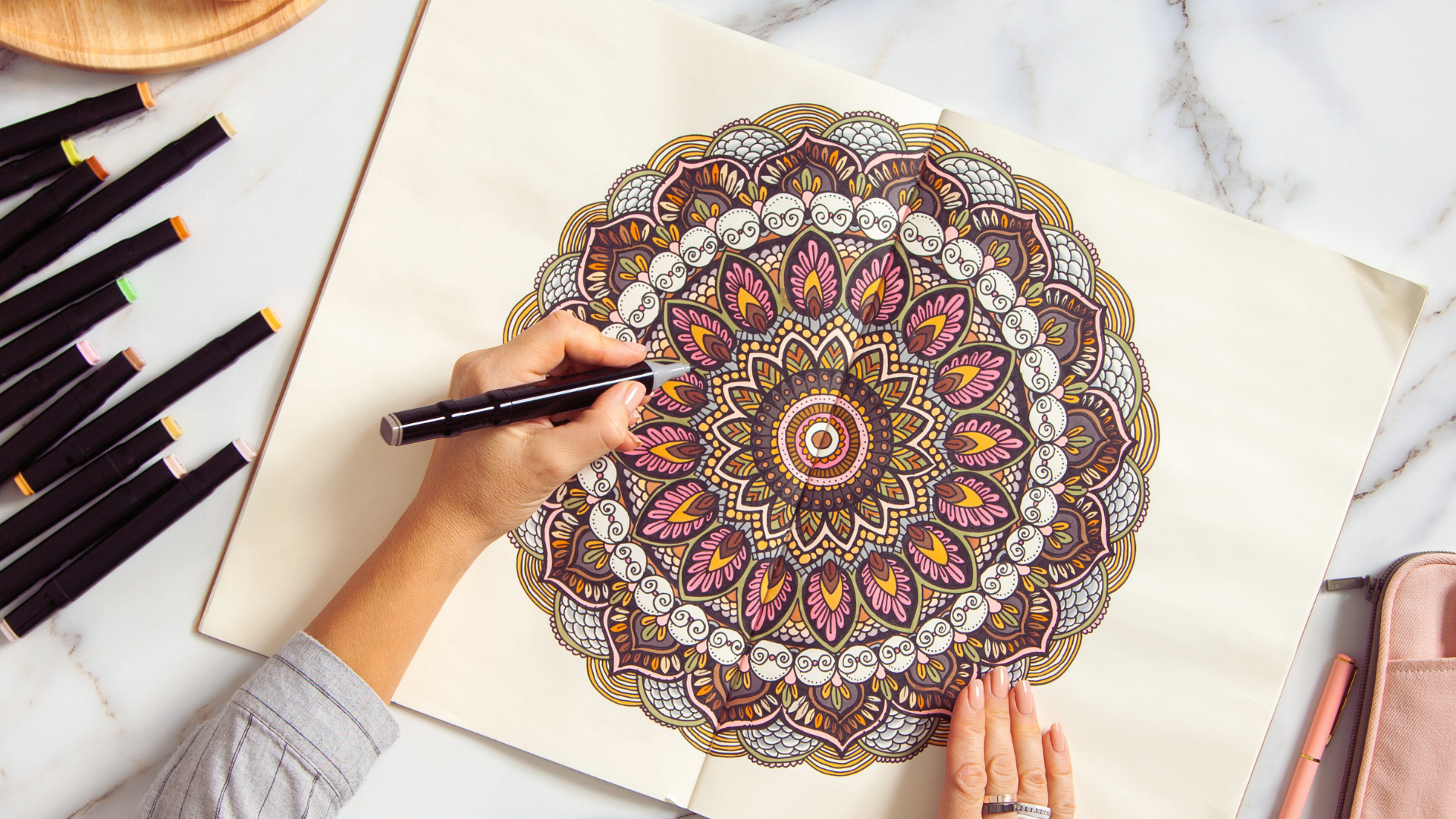
These practices can serve as a significant distraction from daily worries, providing an avenue for relaxation. Techniques such as mandala coloring or creative writing specifically have shown promise in helping to lower cortisol levels, thereby easing feelings of anxiety. The process of creation not only fosters relaxation but also enhances personal satisfaction and a sense of accomplishment.
Enhancing Coping Skills Through Creative Activities
Creative activities play a crucial role in enhancing coping skills. They provide individuals with new strategies to manage difficult emotions, allowing for healthier emotional regulation.
For example, journaling allows for reflection, while drama therapy can assist in processing trauma through role-play. Both methods foster resilience, equipping individuals with tools to address life’s challenges effectively. Engaging in artistic expression leads to improved emotional management, reducing impulsivity, and promoting a proactive approach to mental health.
Forms of Artistic and Creative Expression
Artistic and creative expressions come in various forms, each uniquely contributing to mental wellness. Engaging in these activities fosters emotional release, enhances problem-solving skills, and promotes personal connections.
Visual Arts: Painting, Drawing, and Sculpture
Visual arts encompass painting, drawing, and sculpture, each offering a platform for personal expression. Through these mediums, individuals can convey emotions that may be difficult to articulate verbally.
- Painting and Drawing: Both mediums allow for spontaneous creation and reflection. Different styles, such as abstract or realistic, enable exploration of personal experiences. Colors and brushstrokes can evoke strong feelings, making this a therapeutic outlet.
- Sculpture: The tactile nature of sculpting with clay or other materials can be grounding. It encourages mindfulness as individuals focus on shape, form, and texture.
Artists often report that these activities provide a sense of accomplishment and improvement in mood.
Performing Arts: Music, Dance, and Theater
The performing arts, which include music, dance, and theater, also play a crucial role in emotional health. Engaging with these forms often facilitates physical movement and social interaction.
- Music: Music therapy has gained recognition for its effectiveness in reducing anxiety and depression. Listening to or creating music can lead to emotional relief and a sense of connection.
- Dance: Dance therapy allows individuals to express themselves through movement. It combines physical activity with emotional expression, helping to release pent-up emotions.
- Theater: Participating in or watching theater can provide cathartic experiences, enabling audiences to confront their emotions indirectly.
These activities promote community, enhance self-esteem, and encourage cooperation among participants.
Creative Writing, Journaling, and Storytelling
Creative writing, including journaling and storytelling, offers a valuable way to process thoughts and feelings. Writing can be a solitary pursuit or a group activity, providing different benefits.
- Journaling: This practice allows individuals to reflect on their daily experiences. Writing about feelings can lead to better emotional clarity and insight.
- Storytelling: Sharing personal stories can foster connections with others. It helps individuals to articulate their experiences and validate their emotions.
Both practices serve as tools for self-exploration and emotional healing.
Other Creative Pursuits: Knitting, Literature, and Group Art Activities
In addition to the more traditional forms of art, several other creative pursuits can enhance mental well-being. These activities often incorporate social interaction or mindfulness.
- Knitting: This repetitive activity requires focus and can be calming. Many find that the rhythmic motions reduce stress and provide a sense of accomplishment.
- Literature: Reading fiction can enhance empathy and understanding of diverse perspectives. Engaging with different narratives allows individuals to escape from their lives temporarily.
- Group Art Therapy: Collaborative art projects foster teamwork and community. Participants often experience shared joy and create supportive environments for emotional expression.
These creative activities encourage personal growth and reinforce social connections.
Building Resilience, Connection, and Self-Discovery Through Creativity
Creativity offers significant benefits for emotional health, forming a platform for individuals to explore their identities and foster connections. Engaging in artistic endeavors enhances self-awareness while nurturing a sense of belonging within communities.
Strengthening Emotional Well-Being and Identity
Through creative activities like painting, writing, or music, individuals can express their thoughts and feelings in a constructive way. This self-expression is vital for developing personal identity and improving self-esteem.
Art allows individuals to confront their emotions, fostering psychological resilience. When faced with challenges, creativity serves as an outlet, helping individuals navigate through stress and anxiety. By expressing their inner worlds, they gain clarity and a stronger sense of self.
Fostering Community, Belonging, and Empathy
Creativity often occurs within community settings, promoting connection among individuals. Participating in group art projects or workshops creates opportunities for collaboration, allowing people to form bonds based on shared experiences.
Such environments cultivate a sense of belonging, reducing feelings of isolation. Empathy flourishes when individuals share their stories, enabling mutual understanding. By recognizing each other’s struggles through art, communities can strengthen relationships and encourage support.
Cultivating Mindfulness and Self-Awareness
Engaging in creative practices fosters mindfulness, allowing individuals to focus on the present moment. Activities such as drawing or crafting can serve as grounding practices, enhancing the mind-body connection.
These moments of creativity encourage self-reflection and deeper awareness of emotions. As individuals create, they often discover new aspects of themselves, leading to profound insights. This journey of self-discovery contributes to overall mental well-being and promotes resilience in facing life’s challenges.
Leave a Reply