How Breathing Techniques Affect Your Nervous System and Promote Relaxation
Breathing techniques play a crucial role in influencing the body’s nervous system. These methods can activate the parasympathetic nervous system, promoting relaxation and reducing stress. Various practices, such as deep diaphragmatic breathing or rhythmic inhalation and exhalation, can significantly shift an individual’s physiological state.
The nervous system is responsible for managing the body’s response to stress and relaxation. By consciously adjusting their breathing patterns, individuals can stimulate different aspects of their nervous system, leading to measurable changes in heart rate, blood pressure, and overall mental clarity. This link has garnered attention in wellness communities as a powerful tool for enhancing mental and physical health.
Understanding how breathing affects the nervous system can empower individuals to take control of their stress and anxiety levels. Integrating these techniques into daily routines may not only improve emotional well-being but also foster a greater sense of balance in life.
The Science of Breathing and the Nervous System
Breathing techniques play a significant role in regulating the nervous system. This section examines how these practices influence the autonomic nervous system, the neural pathways activated by breathing, and the interplay between respiratory rhythms and psychophysiology.
How Breathing Influences the Autonomic Nervous System
The autonomic nervous system (ANS) consists of the sympathetic and parasympathetic branches. Breathing can activate either of these systems, influencing a person’s emotional and physical state.
Deep, diaphragmatic breathing often enhances parasympathetic activation, promoting relaxation. This response reduces heart rate and lowers blood pressure. In contrast, rapid, shallow breathing can trigger the sympathetic nervous system, leading to increased heart rate and heightened arousal.
Research using functional magnetic resonance imaging (fMRI) has shown that controlled breathing can alter brain activity, particularly in areas related to stress response, such as the amygdala and hippocampus.
Neural Pathways Activated by Breathing
Breathing is closely linked to the vagus nerve, a critical component of the parasympathetic nervous system. Activation of this nerve influences heart rate variability and promotes a sense of calm.
Neuroanatomical studies indicate that conscious control of breath can modulate the central nervous system, affecting emotional processing and cognitive function. Specifically, breath regulation can enhance connectivity between the insula and areas involved in emotional regulation, impacting behaviors related to stress and anxiety.
Neuroimaging, including EEG and fMRI, has illustrated that specific breathing patterns lead to distinct brainwave patterns, allowing for focused attention and improved emotional stability.
Respiratory Rhythms and Psychophysiology
The rhythm of breathing correlates with various physiological and psychological states. Slower, rhythmic breathing can induce relaxation responses in the body.
Psychophysiological studies argue that synchronizing breath with physical activity or meditation promotes better mental health. This synchronization enhances vagal tone, facilitating emotional regulation.
Additionally, research indicates that intermittent breath control can facilitate greater integration between body and mind, positively influencing cognitive functions. Understanding these rhythms allows practitioners to tailor breathing techniques for varying therapeutic outcomes, aiming to improve overall well-being and resilience.
Breathing Techniques and Their Direct Effects
Breathing techniques can significantly influence the nervous system. By improving oxygenation, reducing stress levels, and enhancing mental clarity, these techniques contribute to overall well-being. Below are key breathing methods that demonstrate their direct effects.
Deep Breathing and Diaphragmatic Breathing
Deep breathing, also known as diaphragmatic breathing, focuses on engaging the diaphragm fully. This technique promotes maximum oxygen intake, which enhances oxygenation throughout the body. By decreasing thoracic pressure, it shifts the body from a state of stress to relaxation.
The practice typically involves inhaling deeply through the nose, allowing the abdomen to expand, and then exhaling fully through the mouth. Research indicates that deep breathing can lower heart rate and blood pressure, effectively calming the nervous system. Regular practice can cultivate a feeling of tranquility and decrease physiological responses to stress.
Alternate Nostril Breathing and Pranayama
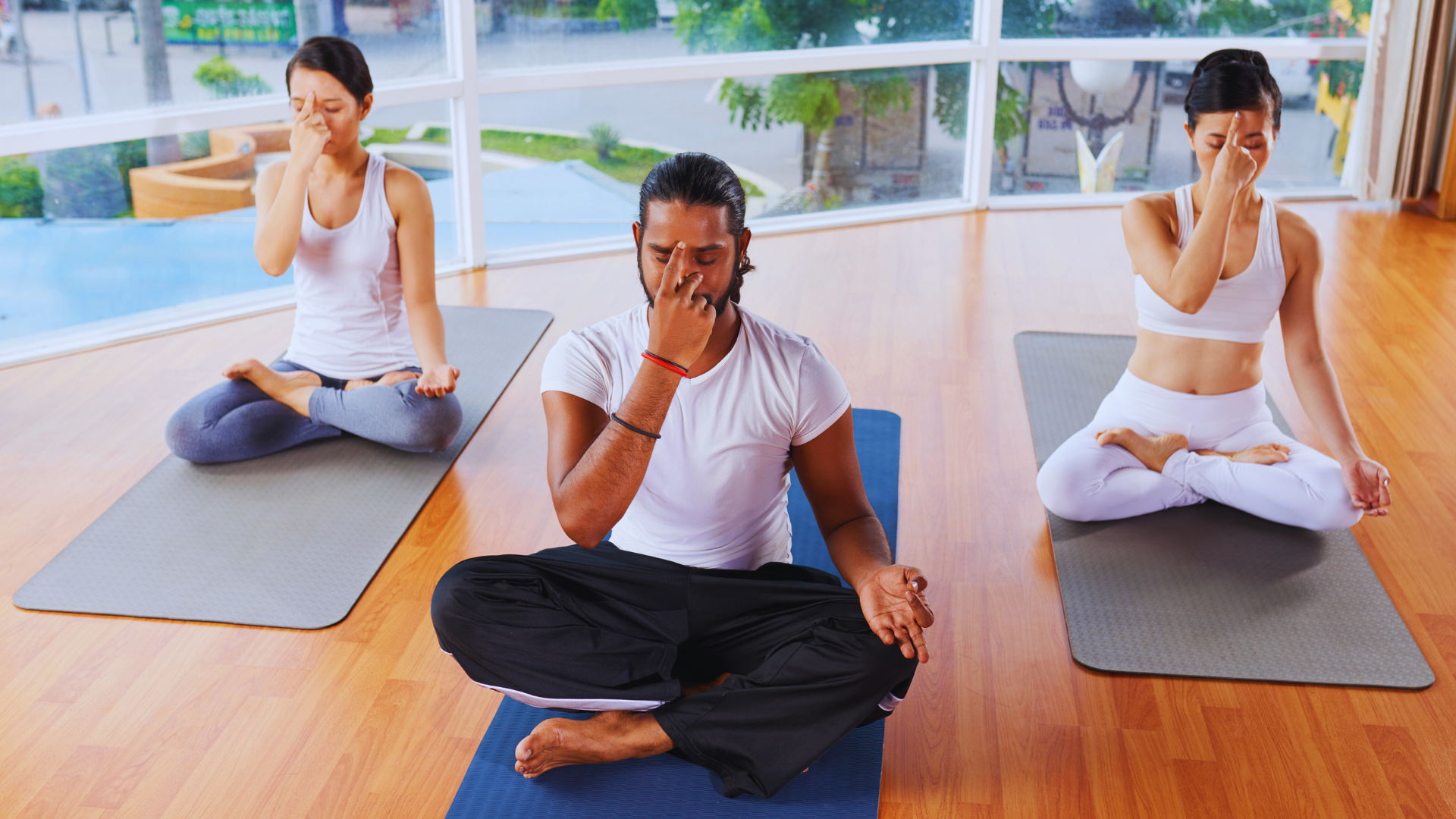
Alternate nostril breathing, or nadi shodhana, balances the body’s energy channels while enhancing mental clarity. This technique is central to many yoga practices and incorporates elements of pranayama, a disciplined form of breath control.
Practitioners alternate closing each nostril while inhaling and exhaling, creating a rhythm that promotes focus. This method activates both hemispheres of the brain, fostering a sense of integration and calm. Studies suggest it can improve mood and reduce anxiety levels by balancing autonomic functions.
Paced Breathing and Coherent Breathing
Paced breathing involves regulating the inhale and exhale durations to promote a sense of control. Coherent breathing is a specific form that encourages a 5- to 6-second inhale followed by an equal exhale. This synchronization can lead to cardiovascular benefits and improved autonomic nervous system response.
By adopting paced breathing, individuals can activate the relaxation response, thus decreasing heart rate and blood pressure. This technique serves as an effective tool for managing stress levels and enhancing mental clarity in various situations, from daily life to high-pressure environments.
Box Breathing and 4-7-8 Breathing
Box breathing involves inhaling for a count of four, holding the breath for four, exhaling for four, and pausing for another four before repeating. This structured pattern helps stabilize emotions and enhance focus.
The 4-7-8 technique promotes a longer exhale, which helps release pent-up stress. Inhale through the nose for four seconds, hold for seven, and exhale through the mouth for eight. Both methods are effective in activating the parasympathetic nervous system, facilitating ease and relaxation while reducing anxiety levels in various contexts.
Physiological and Psychological Outcomes
Breathing techniques can lead to significant physiological and psychological changes. These outcomes include enhanced stress management, improved emotional regulation, and various benefits to physical health and cognitive function. The relationship between breathing patterns and the nervous system is complex but impactful.
Stress Reduction and Emotional Regulation
Breathing techniques can effectively mitigate reactions to stressful situations. By engaging in controlled breathing, individuals can activate the relaxation response, which counters stress and fear. This approach promotes emotional control and resilience by allowing individuals to respond calmly rather than react impulsively.
The practice encourages awareness of one’s emotional state, aiding in anxiety reduction. Techniques such as diaphragmatic breathing facilitate a state of relaxation, enhancing the ability to manage emotions. Ultimately, this leads to better emotional regulation, reducing the risk of overwhelm during challenging times.
Impact on Cortisol, Heart Rate, and Blood Pressure
Controlled breathing has a direct effect on physiological markers of stress, particularly cortisol levels. Research indicates that deep, rhythmic breathing can lower cortisol, a hormone associated with stress. This reduction plays a crucial role in returning the body to homeostasis.
Additionally, such techniques improve heart rate variability (HRV), a key indicator of autonomic nervous system function. Regular practice can also lower blood pressure, making it beneficial for those with chronic stress or conditions like chronic heart failure. The interplay of these factors fosters a more stable physiological environment.
Cognitive and Psychological Health Benefits
Breathing exercises contribute positively to cognitive performance and mental clarity. Engaging in these techniques enhances attention and supports neuroplasticity, allowing the brain to adapt and grow. Improved cognitive function is linked to better stress management, leading to overall psychological health.
Furthermore, these techniques can sharpen focus and increase productivity. As individuals experience reduced anxiety and improved emotional resilience, the capacity for effective decision-making is also enhanced. Thus, breathing practices support cognitive clarity and emotional well-being.
Supporting Physical Health and the Immune Response
The benefits of breathing techniques extend to physical health by bolstering the immune system. Stress is known to negatively impact immune function; therefore, reducing stress through controlled breathing can enhance immune response. This contributes to overall wellness and may prevent illnesses linked to chronic stress.
Moreover, improved energy metabolism occurs as breathing exercises increase oxygen intake. Enhanced oxygenation supports bodily functions and promotes recovery processes. Consequently, these practices not only improve mental and emotional health but also bolster physical vitality and resilience against diseases.
Integration With Mindfulness and Lifestyle Practices
Breathing techniques can effectively enhance mindfulness and overall wellness when integrated into daily practices. These techniques promote relaxation and can alleviate stress, thereby improving the function of the nervous system.
Mindfulness Meditation and Breathing
Mindfulness meditation emphasizes awareness of the present moment, and proper breathing is a cornerstone of this practice. By focusing on breath patterns, individuals can calm their minds and reduce anxiety.
Common practices include:
- Diaphragmatic Breathing: This technique involves deep breaths that engage the diaphragm, promoting relaxation and reducing tension in the body.
- Box Breathing: A method where one inhales for four counts, holds for four counts, exhales for four counts, and holds again for four counts.
Incorporating these breathing techniques into mindfulness meditation can deepen the experience, leading to enhanced emotional regulation and clarity of thought. This synergy between breathing and meditation supports a balanced nervous system and overall well-being.
Leave a Reply